The Launch of a Legacy
Freda DeKnight’s Ebony Magazine Debut.
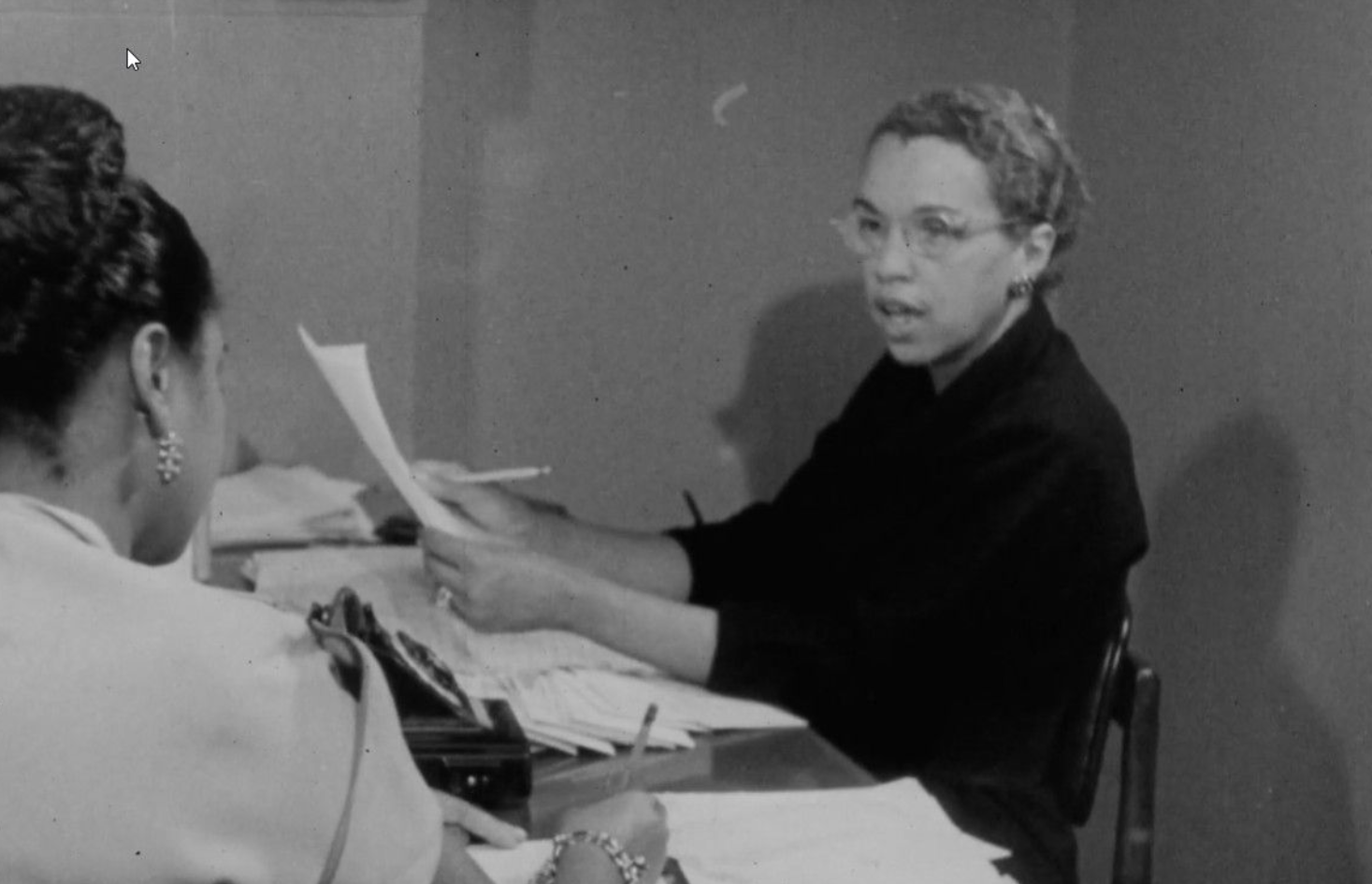
One Tenth of a Nation: Achievements, 1953, showing Freda De Knight at work at her desk at Ebony.
November 1945, the first volume of Ebony Magazine was published. Founded by John H. Johnson, Ebony Magazine platformed Black lifestyle, civil rights, fashion, news, and entertainment. All 25,000 copies sold out, foreshadowing the future success of the Johnson Publishing Company. As the first largely published Black magazine in America, it ushered in a new style of journalism that centered Black lives. Knowledge and empowerment were priorities in its writing at a pivotal moment in Black and American history: the end of World War II, the Korean War, a major shift in media and technology, and the beginning of the Civil Rights Movement.
Volume 1 Issue 1 of Ebony Magazine featured columns about African art, music, entrepreneurship, and the magazine’s signature cartoon feature “Jivin’ With Jackson by Jay Jackson.” The cover story Children’s Crusade by Rev. A Ritchie Low spotlights churches in predominantly Black neighborhoods sending Black children to summer with white families in Vermont. Unlike the issues that followed this print debut, this publishing featured not a single ad placement. It wasn’t until the 8th issue of that magazine that ads we featured.
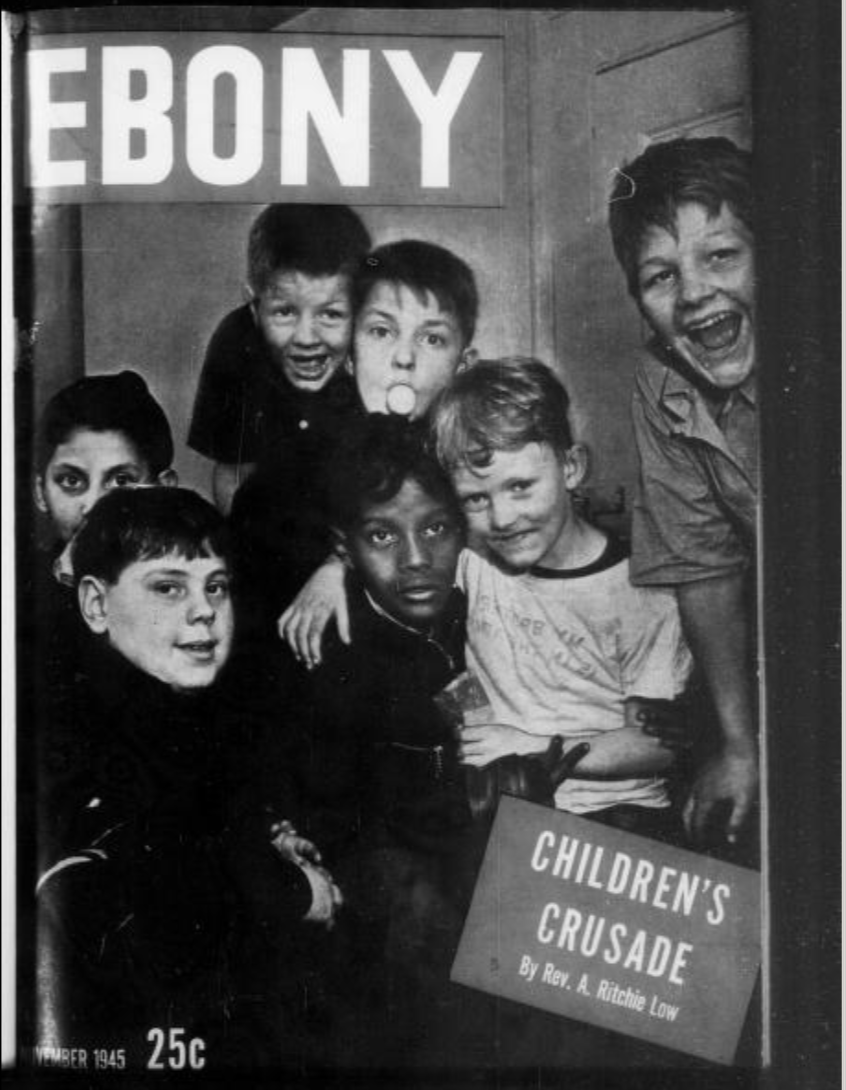
Debut issue of Ebony Magazine
In the July 1946 issue of Ebony, towards the back of the magazine, were ads for “The Opening of Harlem’s Swankiest Nite Club: Club Baron,” Negro Digest Book Shop, Best Yet Hair Products Co., Nadinola Bleaching Cream, and more. Like most print ads of that time, they had a great influence on not only purchasing choices, but the fantasy of the middle class lifestyle. With the boom of consumerism that occured post World War II, Black people explored new careers and were acknowledged as consumers. They were active participants in the economy practicing brand loyalty and a strong interest in media and entertainment.
Unlike their white counterparts, most Black women weren’t privileged enough to only be housewives, and took on the double duty of working outside the home and being a homemaker. Perusing though magazines like Ebony kept them up to date with the happenings of their world and a brief escape. Ebony Magazine kept them abreast with the struggles of soldiers trying to find work after the war, the civil rights movement, art, music, new books, religion, fashion, and with the coming of Freda DeKnight: cooking and hosting.
The tale of DeKnight joining Ebony Magazine seems quite serendipitous. According to her obituary, William Barrow says, “While visiting Chicago, en route to Los Angeles, she was invited to dinner at the home of a wealthy couple who were longtime friends of hers. Shortly before the dinner hour, the hosts learned that their caterer had broken a leg in an accident. Freda soothed her frantic hosts, assured them that she would take care of everything in short order, and promptly proceeded to do so. Sparing no expense, she bought the ingredients and prepared a meal fit for royalty. As fate would have it, one of the dinner guests was young publisher John H. Johnson. So impressed was he with the food that he asked Ms. DeKnight to give him the menu....When the menu arrived, it was done in an exciting narrative style that made it seem like fun to cook.” While I’ve yet to discover confirmation of DeKnight giving Mr. Johnson this menu, her legacy with the Johnson Publishing Company launched that night.
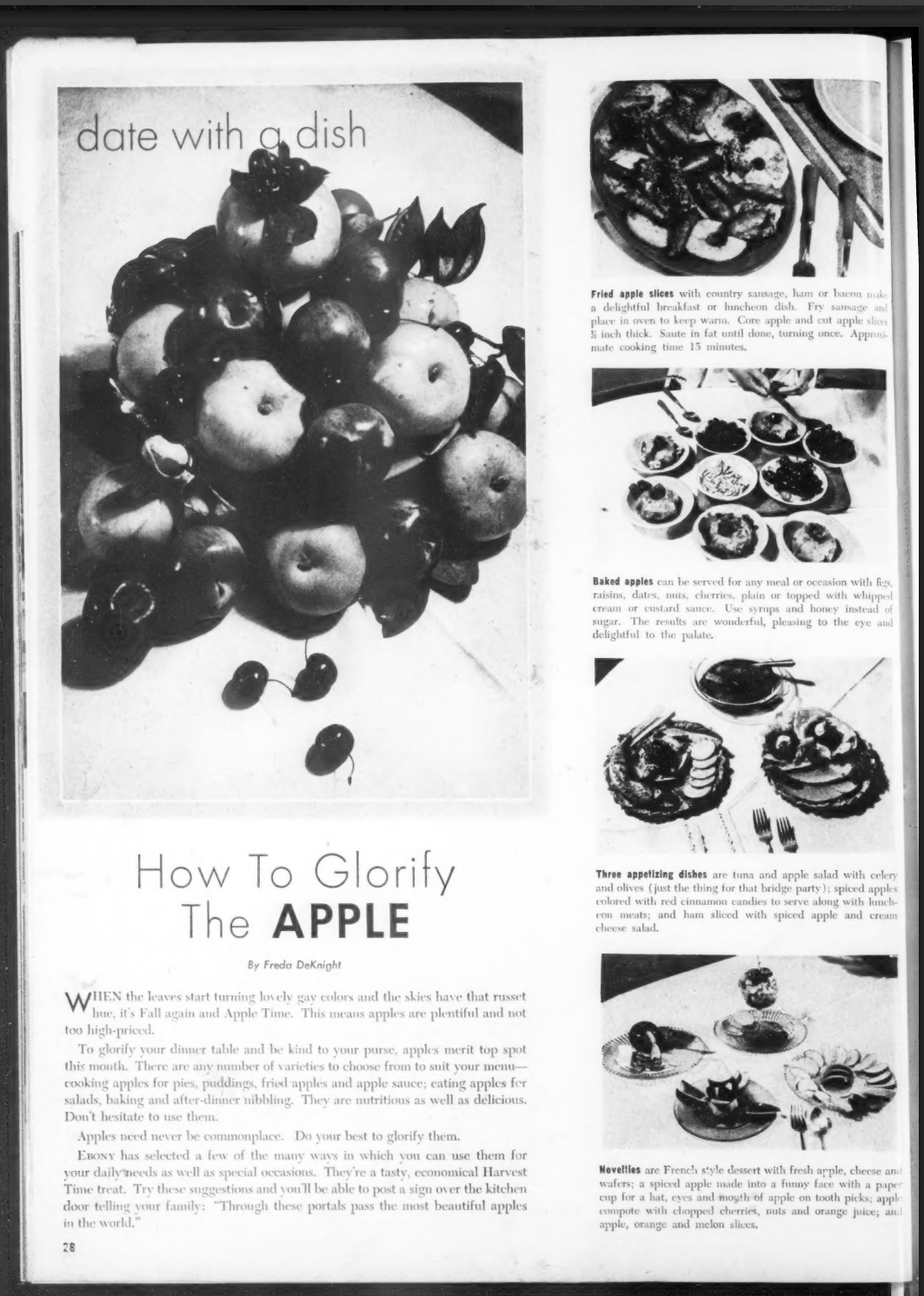
Ebony 1946-10: Vol 1 Iss 11
One year after the first issue of Ebony Magazine was published, Freda DeKnight joined the magazine as its first food editor. Her column Date with a Dish, debuted in the October 1946 issue of Ebony. On par with the fall season, it was titled “How to Glorify the Apple.” A single page article at the back of the magazine, gave suggestions of baked and fried apples, apple appetizers, apples in salads, and on top of meats. In this article she states, “Try these suggestions and you’ll be able to post a sign over the kitchen door telling your family: ‘Through these portals pass the most beautiful apples in the world.” In the following issue, the column grew to two pages and was titled “ Ebony’s Date with a Turkey.” In DeKnight’s writing, she offers homemakers new cooking techniques for Thanksgiving dinner. “Here are two innovations to try this year in preparing the venerable bird: an ‘underwraps’ treatment to guarantee retention of all the moist juices and the addition of tangy port wine to complement the rich smoothness of the giblet broth used for basting.”
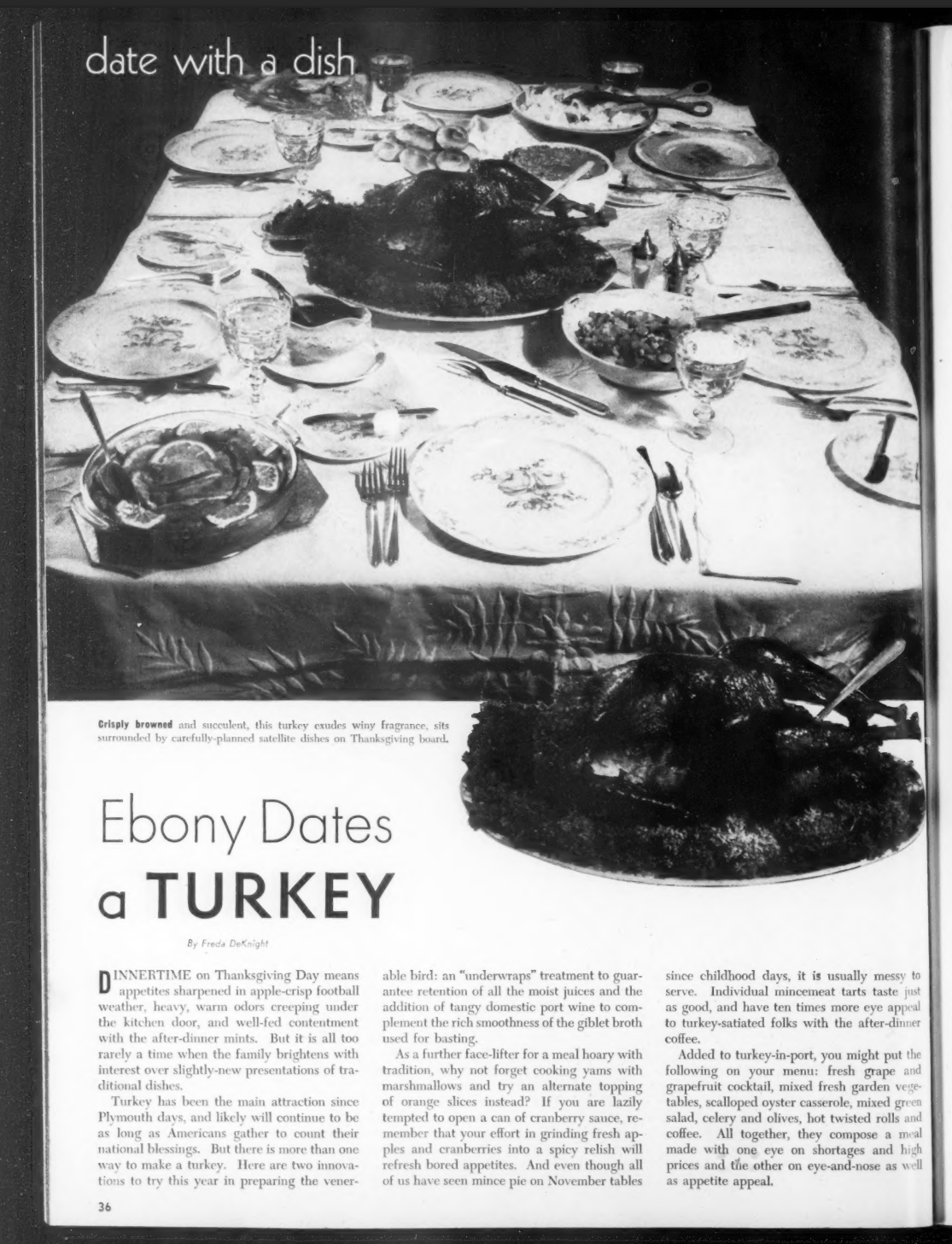
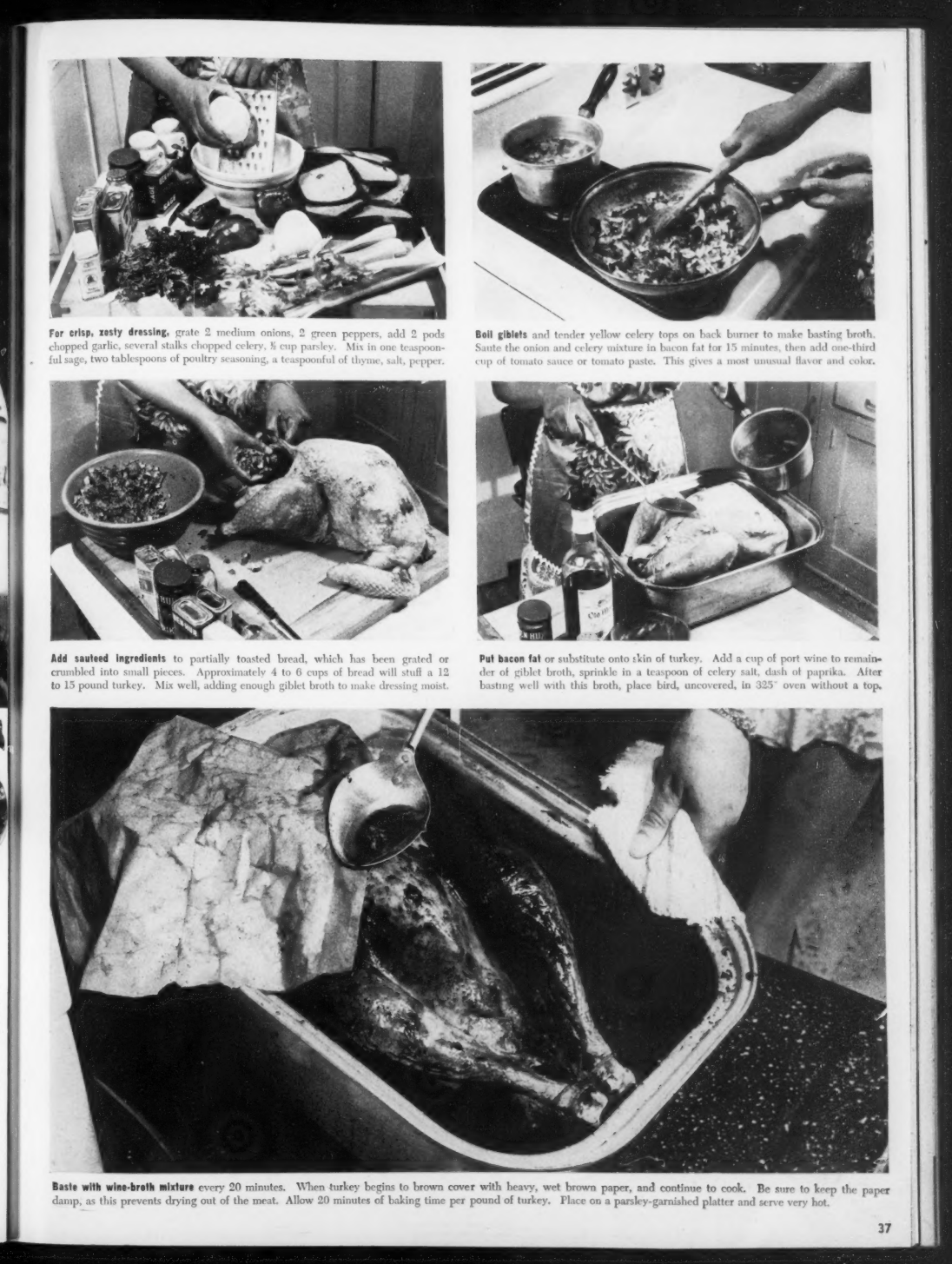
This article guides cooks on how to properly dress, baste, and cook the holiday turkey. DeKnight writes with delight and encourages Black homes to take pride in creating meals from scratch with intention and care. It was important that meals were both visually appealing and delicious. She says in this issue when suggesting sides for Thanksgiving dinner, “All together, they compose a meal made of one eye on shortages and high prices and the other on eye-and-nose as well as appetite appeal.” These recipes were for both the working and leisure class. Throughout her time at Ebony Magazine, Freda DeKnight’s writing continued to emphasize the significance of creating beautiful and delicious dining experiences for the Black community within their homes. In the navigation of life post war, and through the civil rights movement, the priority was to refocus efforts to instill dignity in Black homes.
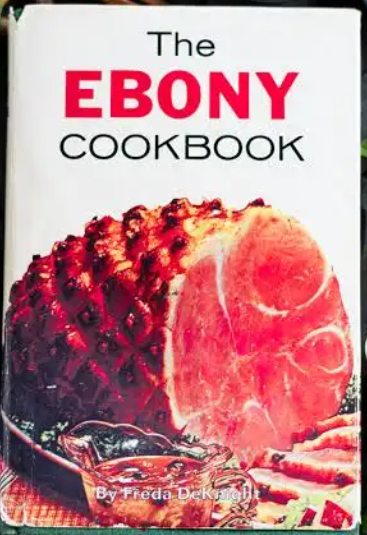
Later issues of Ebony Magazine and the Date with a Dish column featured celebrities like Lena Horne. DeKnight’s signature column was soon published in 1948 under the same name, A Date with a Dish, and republished in 1962 as The Ebony Cookbook. DeKnight’s cookbook was a collection of non-regional recipes and interviews of celebrities, chefs, home cooks. A Date with a Dish was a brilliant form of preservation of Black history, culture, and pride, and shifted the future of Black food journalism.